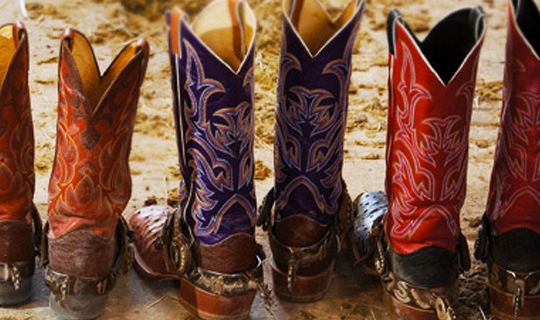
The Cowboy Boot was adopted as the Texas State footwear on June 15, 2007. Riding boots date back for centuries but the basic pattern of the cowboy boot as we know today was created during the post-Civil War trail drives between 1866 and 1890. During this time, cowboys drove millions of head of Texas cattle Read more
The Rodeo was adopted as the Texas State sport on June 18, 1997. Modern rodeo events fall into two different general categories: rough stock events which include bareback riding, saddle bronc riding and bull riding and timed events which include steer wrestling, team roping, tie-down roping, barrel racing and steer roping. The rodeo originally grew Read more
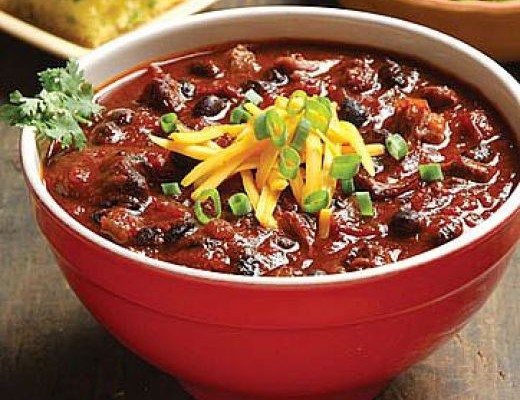
Chili was adopted as the Texas state dish on May 11, 1977. The International Chili Cook-Off has been held in Texas in 1967. President Lyndon B. Johnson commented that “chili concocted outside of Texas is a weak, apologetic imitation of the real thing,” and Will Rogers described Texas chili as “the bowl of blessedness.” The Read more
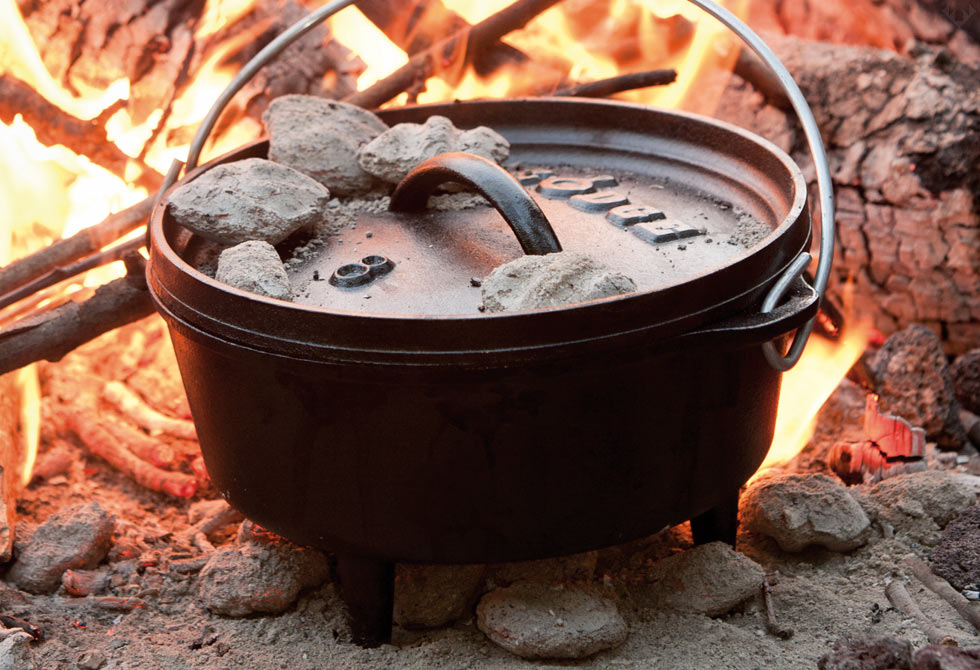
The Dutch Oven was adopted as the Texas State Cooking Implement on June 18, 2005. The Dutch Oven is believed to date back to the early 1700s in Holland. It is unsure when the cooking implement came to America but in Texas it was used by the Spanish explorers, early settlers, ranchers and chuck wagon Read more
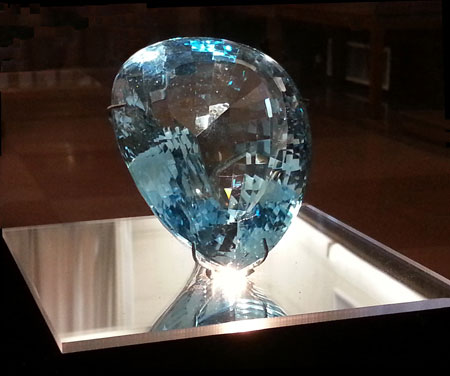
The Texas Blue Topaz was adopted as the Texas state gem and Petrified Palmwood as the Texas state stone on March 26, 1969. The Blue Topaz is found in the Llano uplift area in Central Texas and is most commonly used in jewelry. Petrified Palmwood is generally found in eastern counties near the Texas Gulf Read more
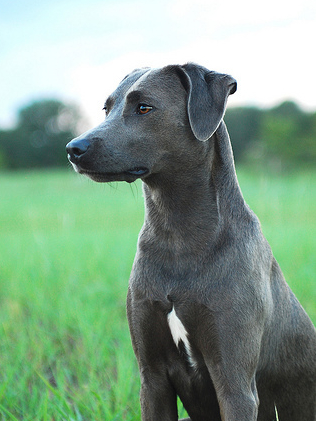
The Blue Lacy was adopted officially as the Texas state dog on June 18, 2005. The Blue Lacy is the only dog breed that originated in Texas and is named after brothers George, Ewin, Frank and Harry Lacy who settled in Texas in 1858. It is said that the family used greyhound, scenthound and coyote Read more
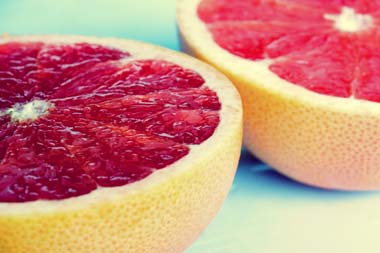
The Texas Red Grapefruit was adopted as the Texas state fruit on May 17, 1993. The fruit was first discovered by Texas citrus growers in 1929. It generates more revenue than any other tree fruit in Texas. The legislature said, “This variety of grapefruit has been carefully nurtured and perfected over time and is renowned Read more
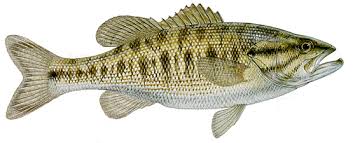
The Guadalupe Bass was adopted as the Texas state fish on May 10, 1989. The Guadalupe Blass is found only in Texas and is part of a group of fish collectively called the black bass. It inhabits fast-running streams and small rivers in the center part of the state. The legislature says “though its small Read more
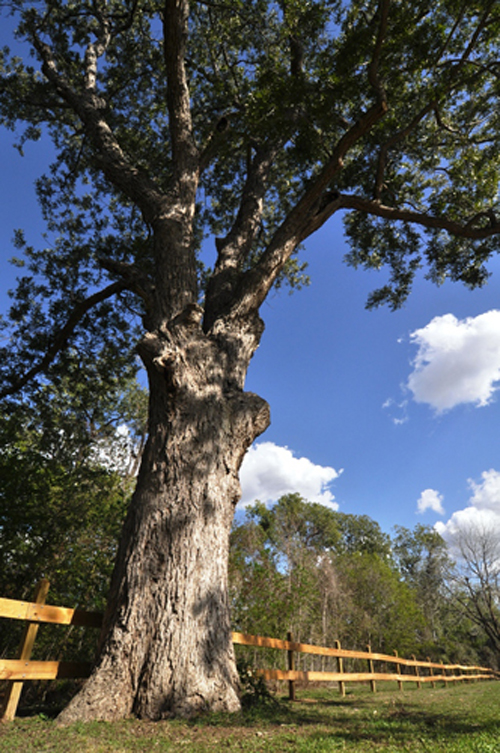
The Pecan Tree was adopted as the Texas state tree in 1919. Fossil remains show that the Pecan tree was found in Texas long before humans came around. The tree can live for thousands of years and is wide spread throughout the state. People started considering it a favorite tree of Texas when Governor James Read more
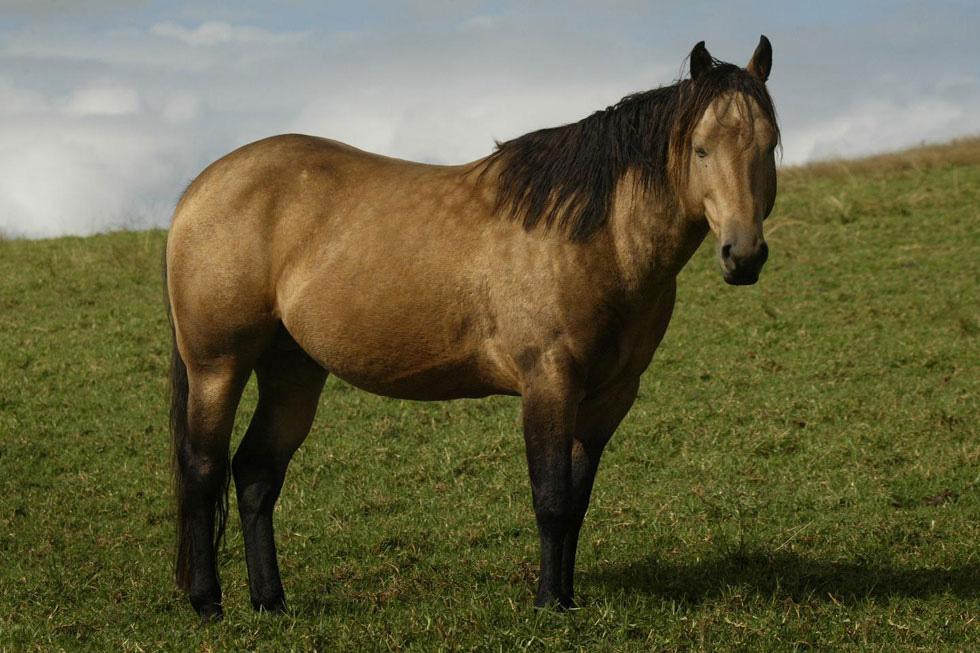
The American Quarter Horse was adopted as the Texas state horse on June 19, 2009. The horse was adopted when 10-year-old Logan Head realized that there was no state horse after studying Texas History. The American quarter horse can trace its roots back to the early colonies in America. The Galloway and hobby breeds from Read more
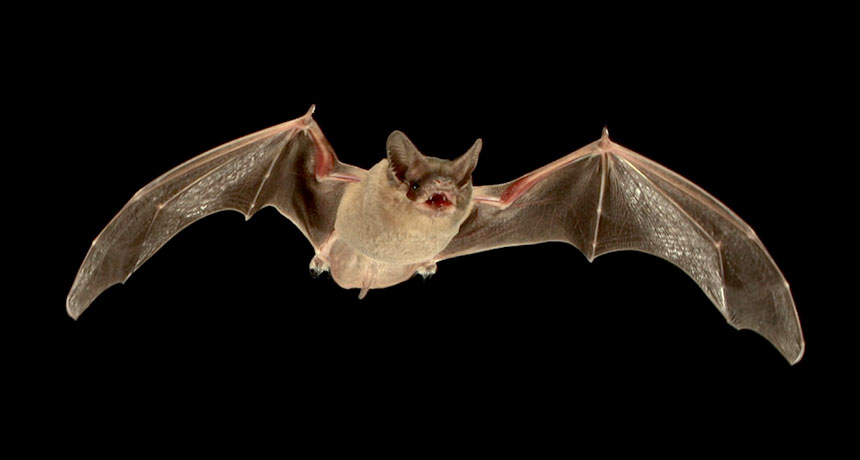
The Mexican Free-Tailed Bat was adopted as the Texas state flying mammal on May 25, 1995. The largest concentration of these bats in the world are in Bracken Cave in Comal County, less than 20 miles from downtown San Antonio. An estimated 20 million bats roost in the cave from March to October, making it Read more
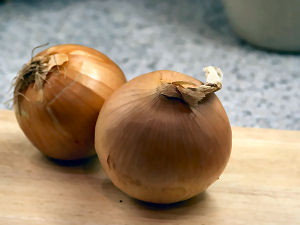
The sweet onion was designated as the Texas state vegetable on May 7, 1997. Onions are Texas’ leading vegetable crop with sales bringing the state $70 to $100 million per year. According to Texas A&M, “the sweet onions from Texas started when the Bermuda onion was introduced into South Texas in 1898 when a pack Read more
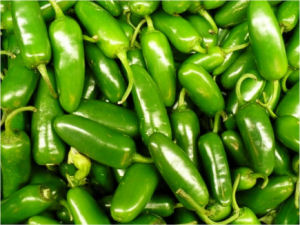
The jalapeno was adopted as the Texas state pepper on May 10, 1995. Peppers were present in the diets of Native Americans in Central Mexico as early as 9,000 years ago. The jalapeno, the most popular pepper, measures in at 2,500 – 9,000 Scoville heat units depending on its growing conditions. On the Scoville scale, Read more
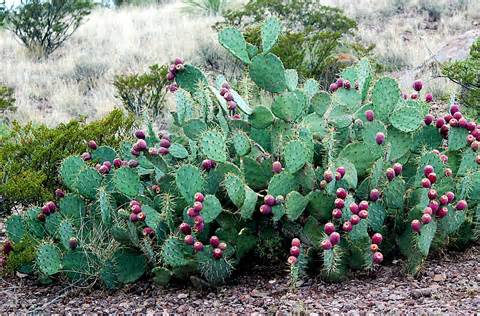
Prickly Pear Cactus was adopted as the state plant on May 25, 1995. The cactus has branches and stems in the form of large, flat pads with deep red fruits known as tuna. The pads and the fruit are edible. The plant helped sustain the earliest inhabitants of the region as well as recently become Read more
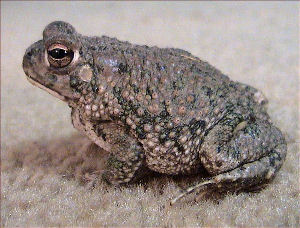
Texas Toad was adopted as the Texas state amphibian on June 19, 2009. Texas Parks and Wildlife biologists and fourth graders from Danbury Elementary School worked together to narrow down five candidates for state amphibian. The students formed five groups and each researched and campaigned for their candidate. The Texas Toad won, barley defeating the Read more
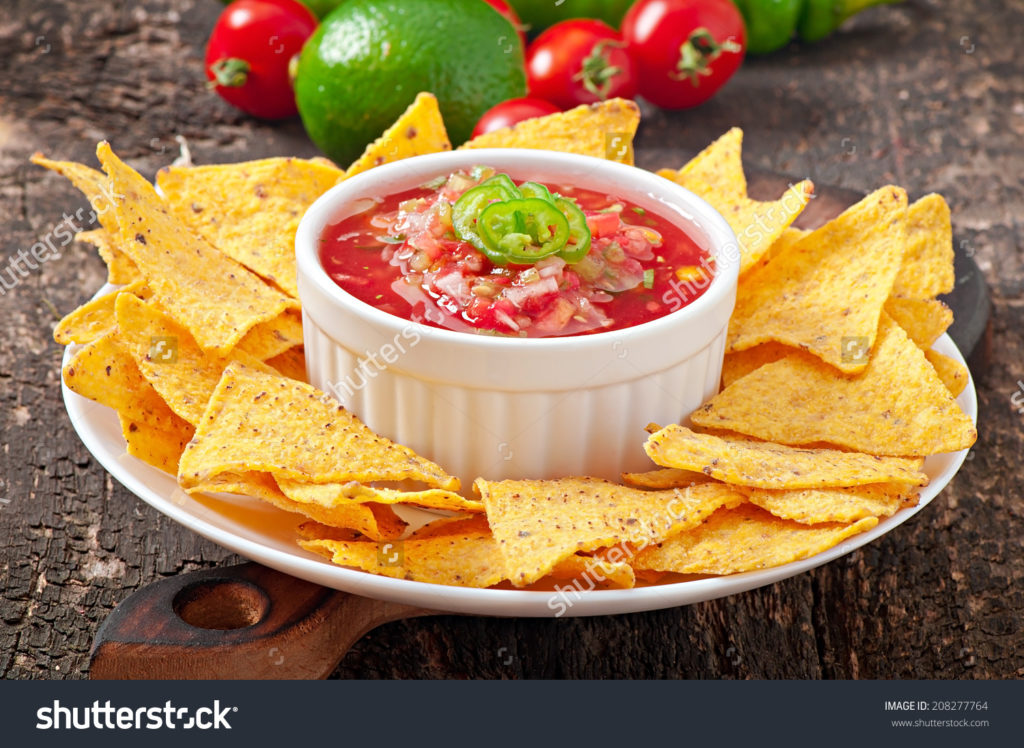
Tortilla Chips and Salsa was adopted as the Texas state snack on June 22, 2003. Students at Marcell Elementary School in Mission contacted State Representative, Kino Flores, about designating a state snack. The legislature said “tortilla chips and salsa are deeply rooted in Texas tradition and enjoy popularity throughout the length and breadth of the Read more
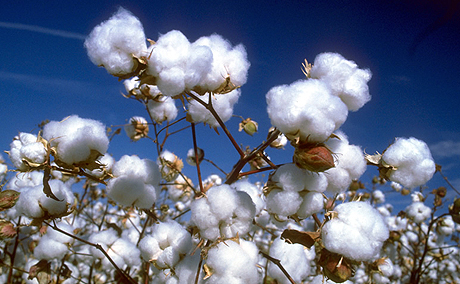
Cotton was adopted officially as the Texas state fiber and fabric on June 18, 1997. Texas is known around the world for its cotton production and has been a mainstay in the Texas economy and culture. Cotton is the state’s largest cash crop and is planted on more acres than any other agricultural product in Read more
The longhorn was adopted as the Texas large state mammal on June 16, 1995. The state held a mock election with hundreds of elementary school children to decide on the state mammal. Support for the longhorn and armadillo was equally divided so the state decided to create a designation for small state mammal and large Read more
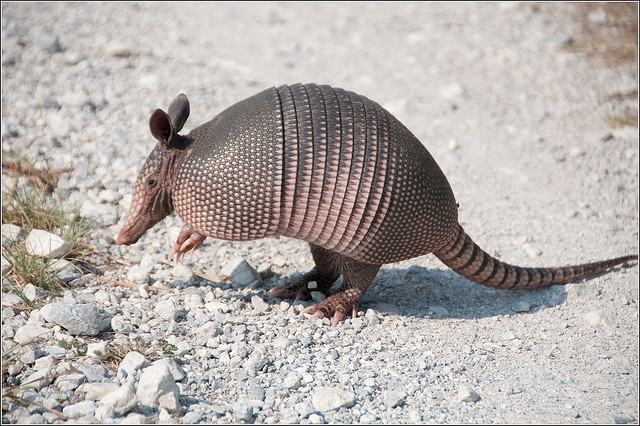
The armadillo was adopted as the Texas small state mammal on June 16, 1995. The state held a mock election with hundreds of elementary school children to decide on the state mammal. Support for the longhorn and armadillo was equally divided so the state decided to create a designation for small state mammal and large Read more
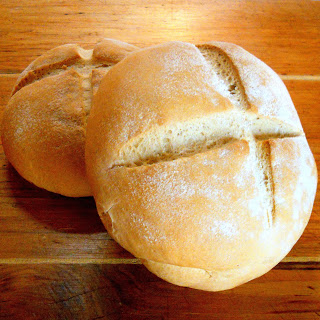
Pan de Campo was adopted as the Texas state bread on June 18, 2005. Pan de Campo is also called Cowboy bread and is a sort of flat bread. The bread was eaten by Cowboys who worked the ranches in early Texas. The cowboys prepared it in small portable ovens which gave it its distinct Read more
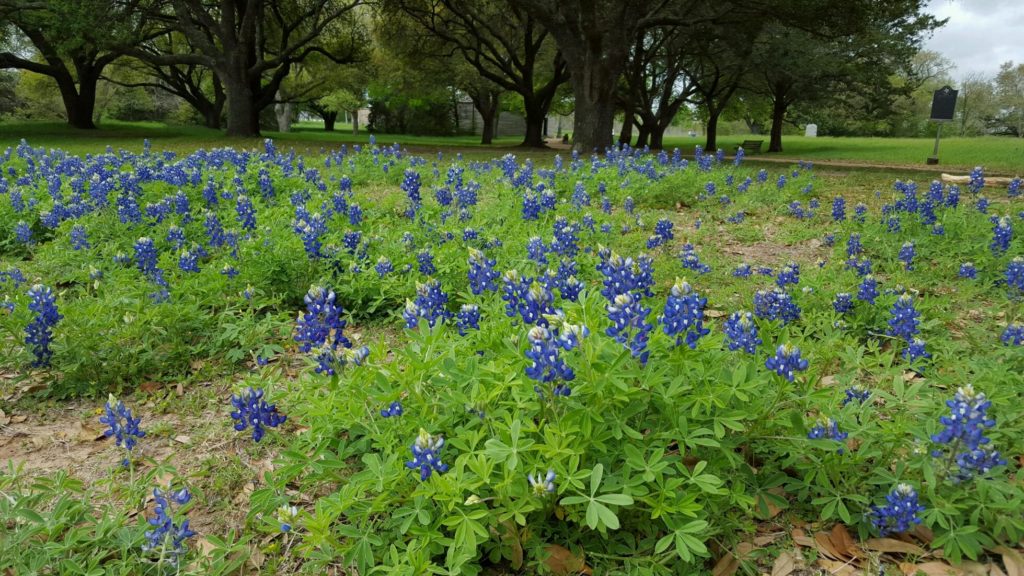
Bluebonnets were adopted as the Texas state flower on March 7, 1901. Bluebonnets were once thought to have come over with the Spanish priests because the priests used to plant the flowers around their missions. However, there are many Indian folklores centered on the flowers that have them being here before the Spanish arrived. There Read more
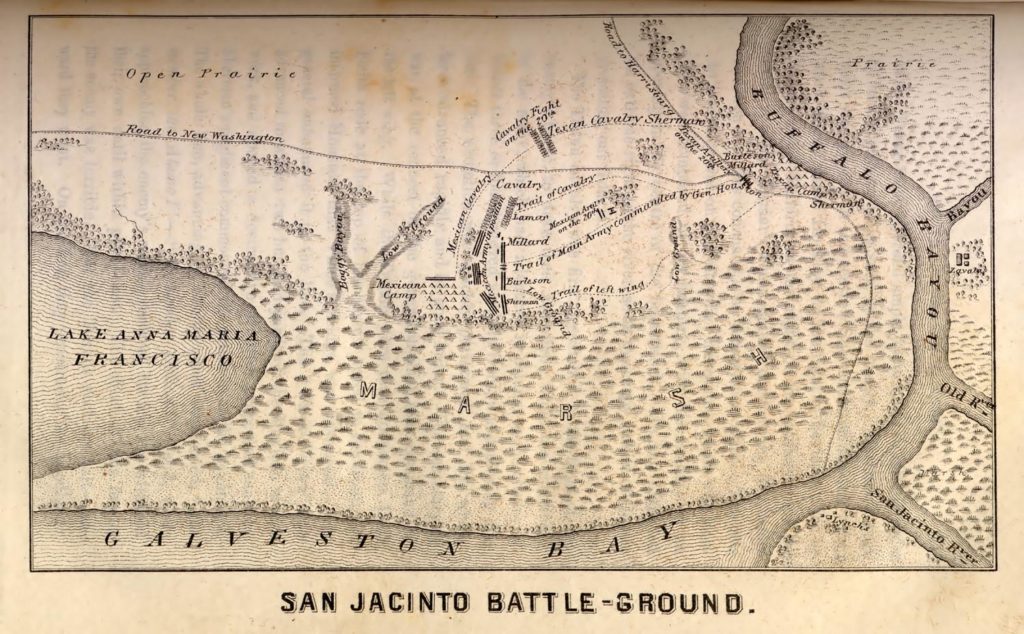
The San Jacinto battleground was actually the land of Peggy McCormick. She took possession of the land after her husband died in 1824 and continued to live on it. She abandoned her home before the battle but returned soon after. Upon her return, she discovered over 700 Mexican corpses scattered near her home. She appeared Read more
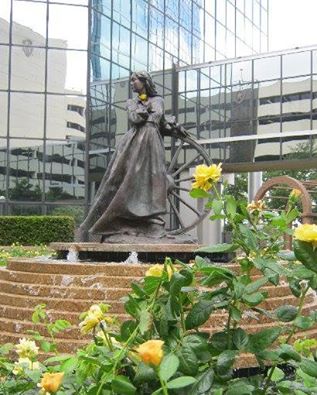
The story of Emily Morgan or Emily West is still highly debated to this day. Emily was a house worker for Col. James Morgan at New Washington that was believed to be captured by Santa Anna during his raid through the area. Historians believe she was a worker and not a slave of Morgan’s even Read more
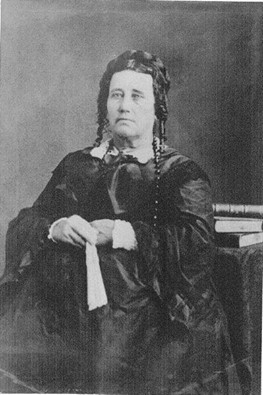
One of the most well-known woman of the Texas Revolution was Susanna Wilkerson Dickinson. She moved to Texas in her early twenties to elope with Almeron Dickinson, a man twice her age. While living in Gonzales in 1835, she survived an assault by “a gang of newly arrived American volunteer troops, who in a drunken Read more
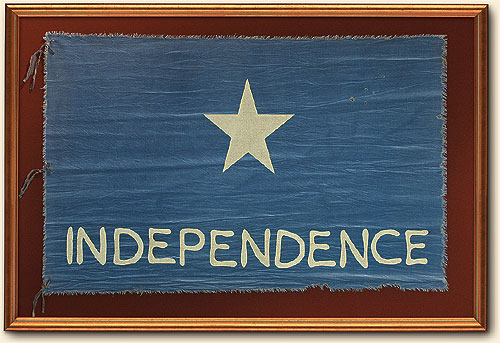
Women had a huge part in creating the early flags of Texas. In late 1835, Sarah R. Dodson made the first Texas “tri-color lone star” flag out of calico that consisted of red, white and blue squares with a single white star on the blue square. The flag was made in late 1835 for a Read more
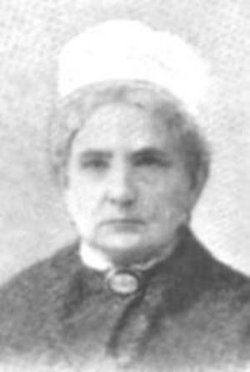
Mary Jane Briscoe, previously Mary Jane Harris, was the daughter of John Richard Harris, the founder of Harrisburg, Texas. At the age of eighteen, she married Andrew Briscoe, a signer of the Declaration of Independence and a solider in the Battle of San Jacinto. The couple had five children, four of whom survived into childhood. Read more
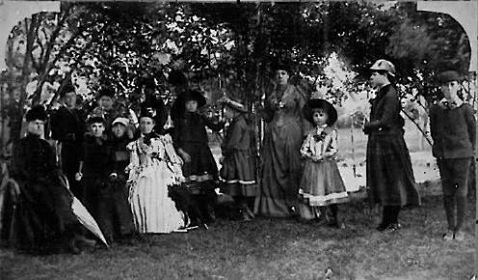
Many of the women that migrated to Texas were southerners by birth. They had grown up with “southern” values which included having family as the central institution of society. The “ideals of true womanhood, with is admonitions to purity, piety, submissiveness, and domesticity, accompanied them westward.” Women sustained themselves as daughters, mothers and wives where Read more
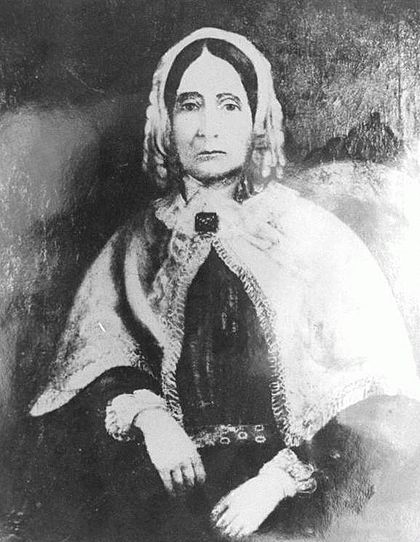
The other Austin woman that played a big part was Emily Austin Bryan Perry, sister to Stephen F. Austin. She came to Texas in 1831 with her husband and several children and became the mistress of Peach Point Plantation. She was the sole air of Moses Austin (her father) and Stephen F. Austin. After 1836, Read more
Mary Austin Holley, cousin to Stephen F. Austin, was widowed in 1827 and the sole supporter of her two children. She secured a land grant from her cousin but never actually made it her permanent residency. She hoped “to sell her Texas lands one day to ease her financial straits, her frequent trips, correspondence, and Read more
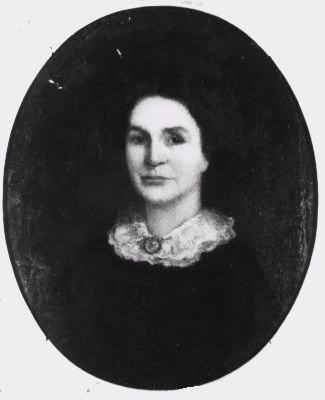
Jane Wilkinson Long was one of the first white women to arrive in Texas in 1819. By 1822 though, she was widowed and left as the sole supporter of her family. She struggled for years financially but in 1832 purchased an inn between San Felipe and Brazoria, an occupation seen as acceptable for women at Read more