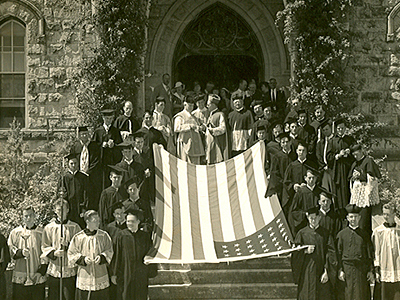
St. Edwards was founded by the Rev. Edward Sorin of the Holy Cross Fathers and Brothers. The same congregation had established the University of Notre Dame in the 1840s. In the 1870s, Sorin learned that Mary Doyle of Austin wanted a Catholic school established in Austin and was willing to donate her 398-acre farm just Read more
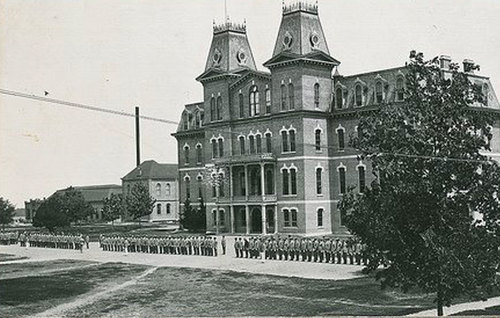
Texas A&M was started by the passing of the Morrill Act in 1862 that allowed donation of public land to the states for the purpose of funding higher education whose “leading object shall be, without excluding other scientific and classical studies, and including military tactics, to teach such branches of learning as are related to Read more
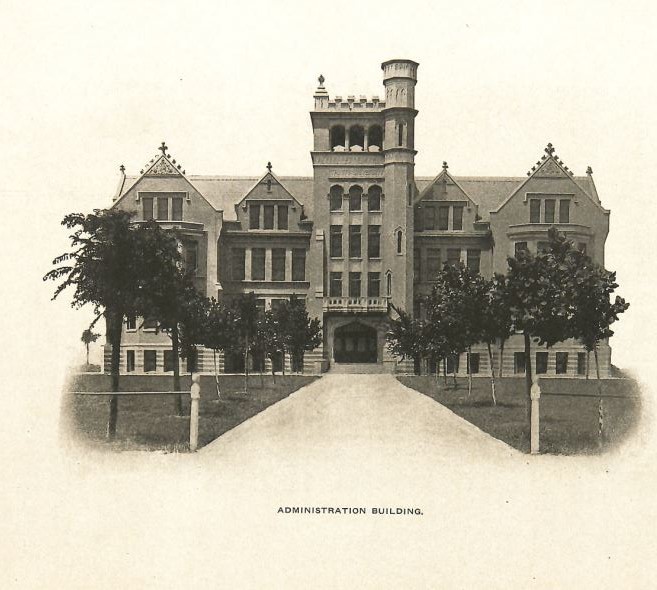
Trinity University was founded in 1869 after three small antebellum Presbyterian schools in Texas – Ewing College, Chapel Hill College and Larissa College all failed during the Civil War. Cumberland Presbyterians wanted to establish a single institution of higher learning in Texas. Trinity opened its doors in Tehuacana (near Waco) with around 100 co-ed students Read more
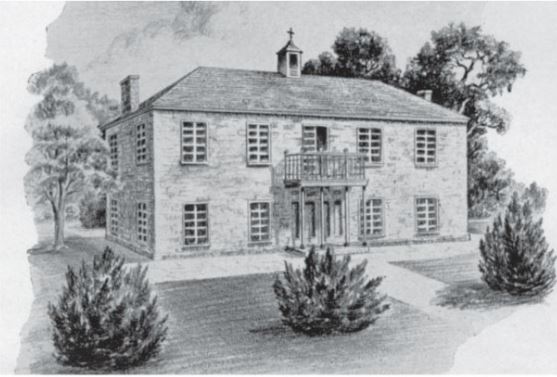
St. Mary’s Institute opened in 1852 above a livery stable with five faculty members and twelve boys enrolled. The institution continued to grow under the first director, Brother Andrew Edell, until 1866 when the Marianists’s resources in personnel were stretched to the limit and consideration was given to closing the Institute. The Rev. John N. Read more
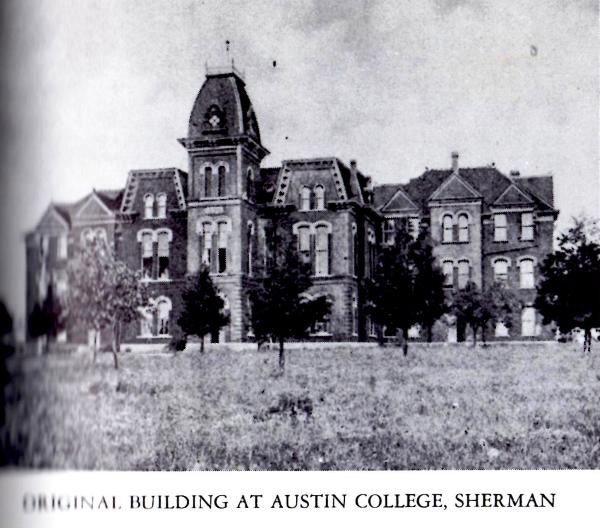
Austin College was established by the Brazos Presbytery of the Old School Presbyterian Church as a men’s college and theological school in 1849. The presbytery appointed Daniel Baker, James Weston Miller and William Cochran Blair to find a site somewhere between the Brazos and Trinity rivers. Huntsville was chosen as the location because the citizens Read more
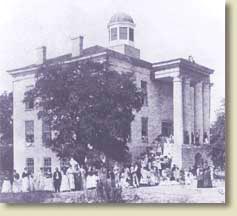
Baylor University was founded in 1841 by Robert E.B. Baylor, James Huckins and William Milton Tryon who organized an education society, the Texas Union Baptist Association, with the purpose of establishing a Baptist university in Texas. Baylor was charted by the Republic of Texas on February 1, 1845 and was opened in Independence in 1846. Read more
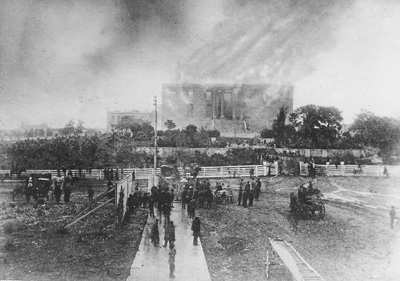
Austin was chosen as the eighth and final capital of Texas in 1839. The area impressed Mirabeau Lamar for its healthy climate and scenic beauty. Many protested that the site was in the middle of nowhere and would require constant defense from the Comanches. However, Congress still voted to approve the new location and named Read more
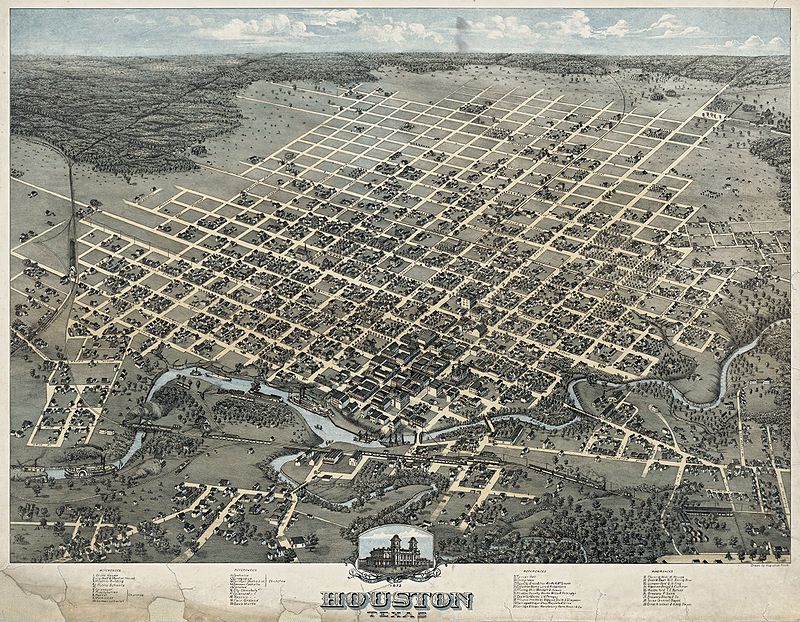
Houston became the seventh capital of Texas when President Houston ordered the seat of government to Houston on December 15, 1836. Houston was formed when the Allen brothers acquired a tract of land on Buffalo Bayou near the former town of Harrisburg. The brothers named the town Houston after Sam Houston in hopes of him Read more
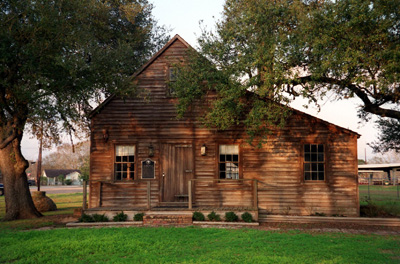
Columbia (now West Columbia) became the sixth capital of Texas. It was founded by Josiah Hughes Bell in 1826. It was the first official capital of the new Republic. The newly elected Texas legislature met there for the first time on October 3, 1836. Sam Houston was inaugurated president on October 22, 1836. The House Read more
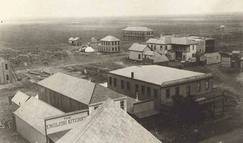
Velasco became the fifth capital of Texas. Even though some of Stephen F. Austin’s colonists landed at the site, people did not really start arriving until Mexico set up a customs port there in 1831. A town was soon established and the port became known as the “Boston harbor of the Texas Revolution.” The battle Read more
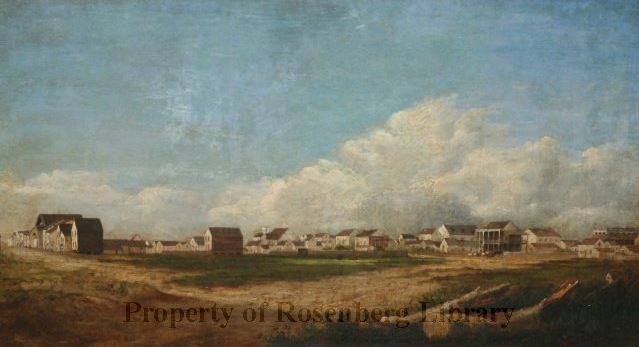
Galveston Island was the fourth capital of Texas. The Spanish discovered the island sometime in the 1500s. It wasn’t occupied by Europeans until the 1800s. Stephen F. Austin petitioned the Mexican Government in 1825 to establish Galveston as a port but the island remained unoccupied until 1830 when a Mexican customhouse was established. The Island Read more
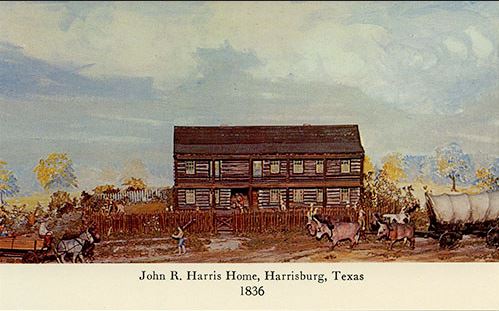
Harrisburg was designated as the third capital of Texas. Harrisburg was established before 1825 on the survey of New York entrepreneur John Richardson Harris. Harrisburg was chosen as the new capital when on March 17 a report reached Washington on the Brazos that the Mexican cavalry had occupied Bastrop which was only 60 miles away. Read more
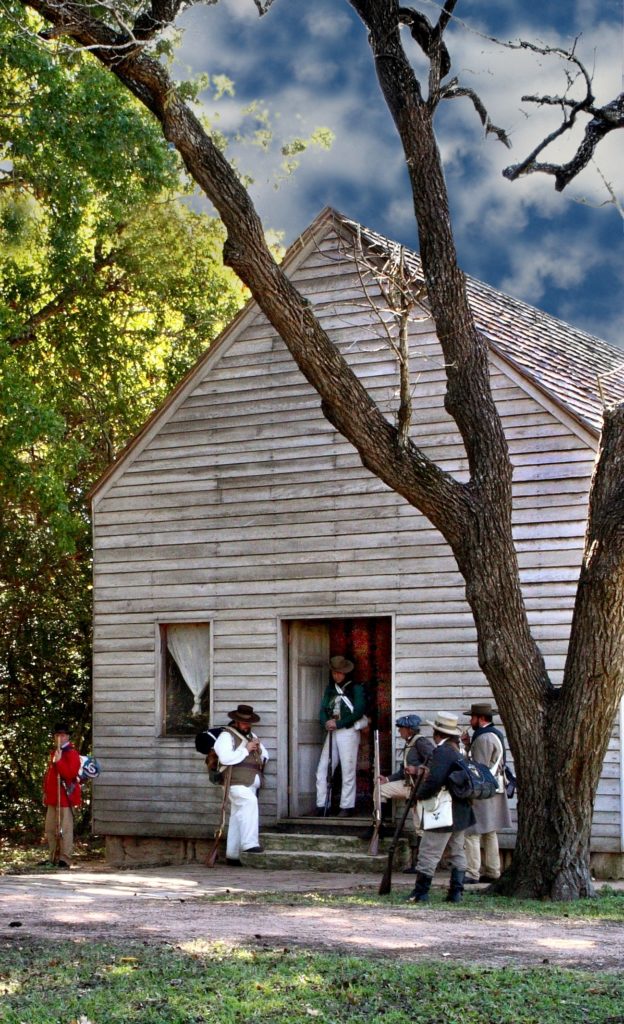
Washington on the Brazos was chosen as the second capital of the Republic. In 1821, Andrew Robinson’s family and other members of the Old Three Hundred settled near the future townsite. Robinson gave one quarter league of land to his daughter and son-in-law John W. Hall. Hall then laid out a town in 1833 and Read more
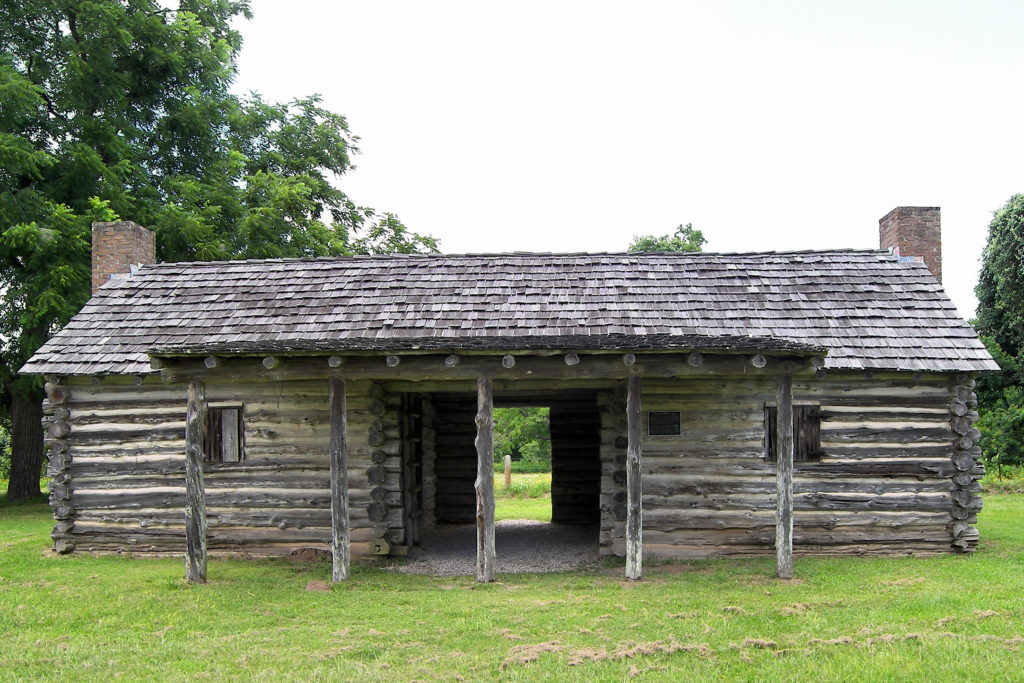
Before Austin became the capital of our great state, seven other cities held the title of capital city in Texas. There were previous capitals established by the Mexican government and other ruling bodies but over the next month, we will explore the eight cities that held capital positions in relation to Texas Independence. San Felipe Read more
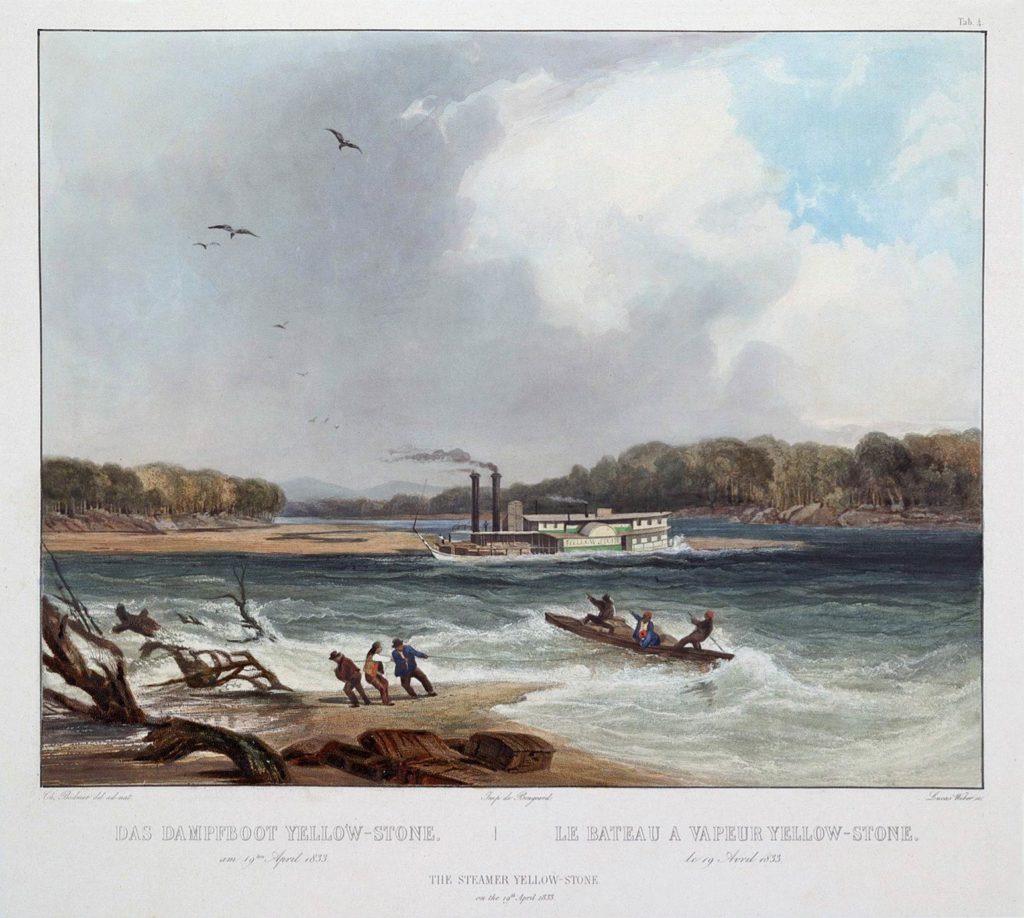
After the victory at San Jacinto, Ross picked up President Burnet and his cabinet and took them to view the site of the battle at the request of Secretary of War Thomas J. Rusk. The Yellow Stone then steamed back to Velasco on May 3 with the president and cabinet members along with their printing Read more
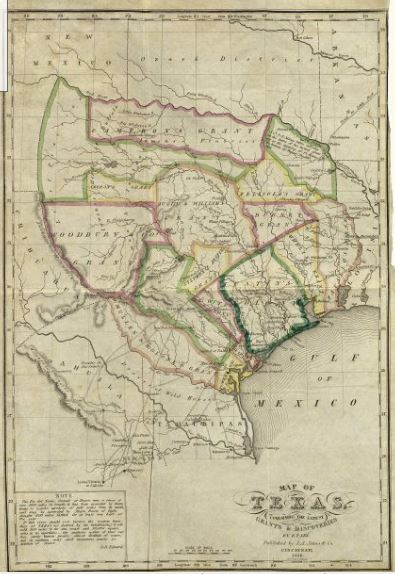
Houston released the boat and it set off towards Galveston. Ross knew that part of the Mexican Army would be waiting for them regardless that he and his men were not Texas army volunteers. Because they had aided the Texan rebels, they were at risk. So, Ross stacked cotton bales high on the desk as Read more
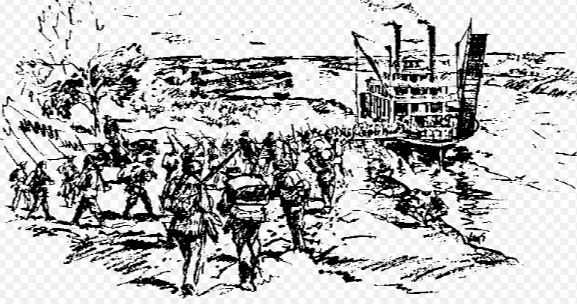
On April 11, Houston received the Twin Sisters, two small cannons sent by the citizens of Cincinnati, Ohio. At 10 o’clock on the morning of April 12, Houston’s men began filing aboard the Yellow Stone. By the next day, more than 700 soldiers, 200 horses and supplies had been ferried across the swollen Brazos River Read more
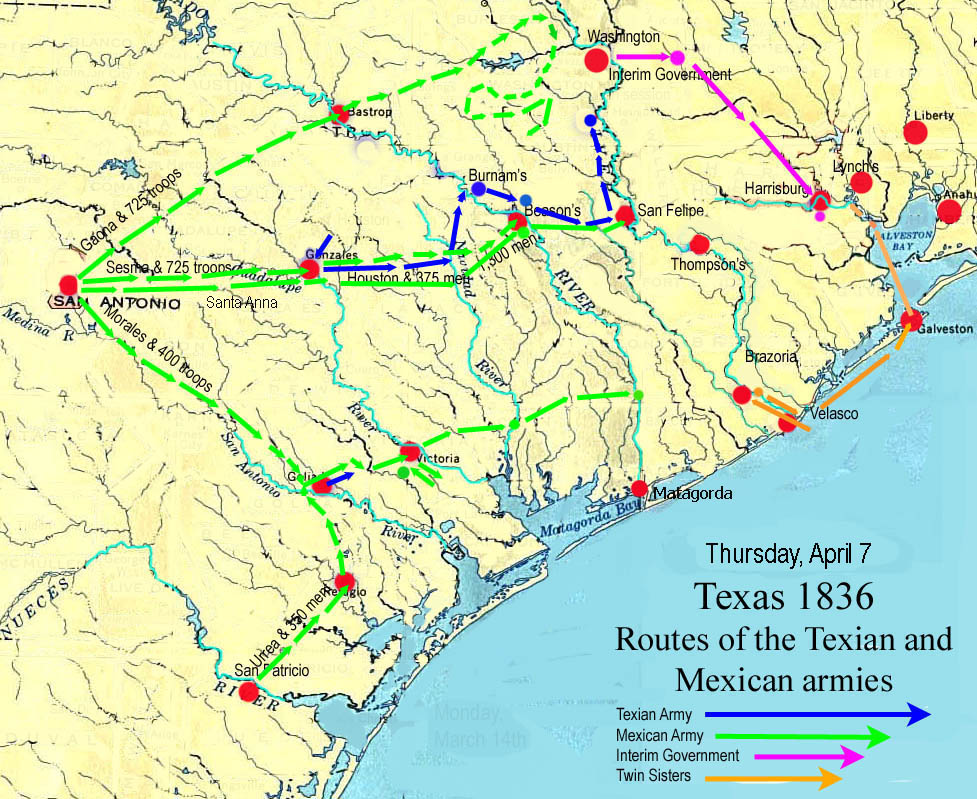
On April 7, Santa Anna and his army arrive at a burned-out San Felipe. He then turned towards Harrisburg, the seat of the Texas government. Meanwhile, Houston was resting his men and waiting for supplies that never came. He moved his troops closer to the Brazos, into the canebreaks opposite Groce’s Landing. On Monday, April Read more
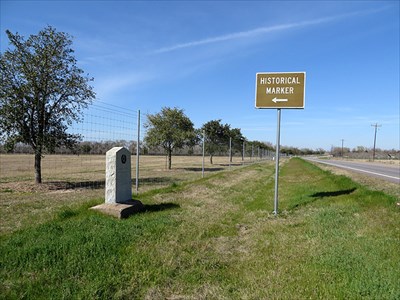
In late March of 1836, the Yellow Stone was stopped at one of its regular stops, Groce’s Landing, just a short way downstream from Washington. At the same time, Houston and his army were weaving back and forth from the Colorado River to the Brazos River. Santa Anna had crossed the Colorado in pursuit, forcing Read more
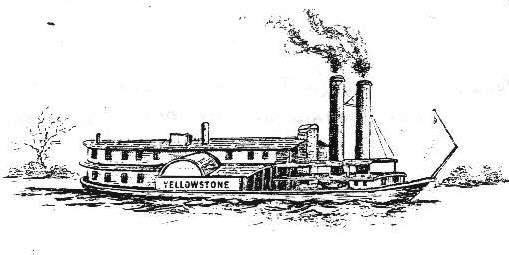
Steamboat transportation on the Brazos River began as early as 1829 but did not really pick up until 1835 with the introduction of the Steamship Yellow Stone. Although the River was hard to navigate, the steamboats offered a way of getting fresh goods back and forth between the interior cities such as Washington. Henry Jones, Read more
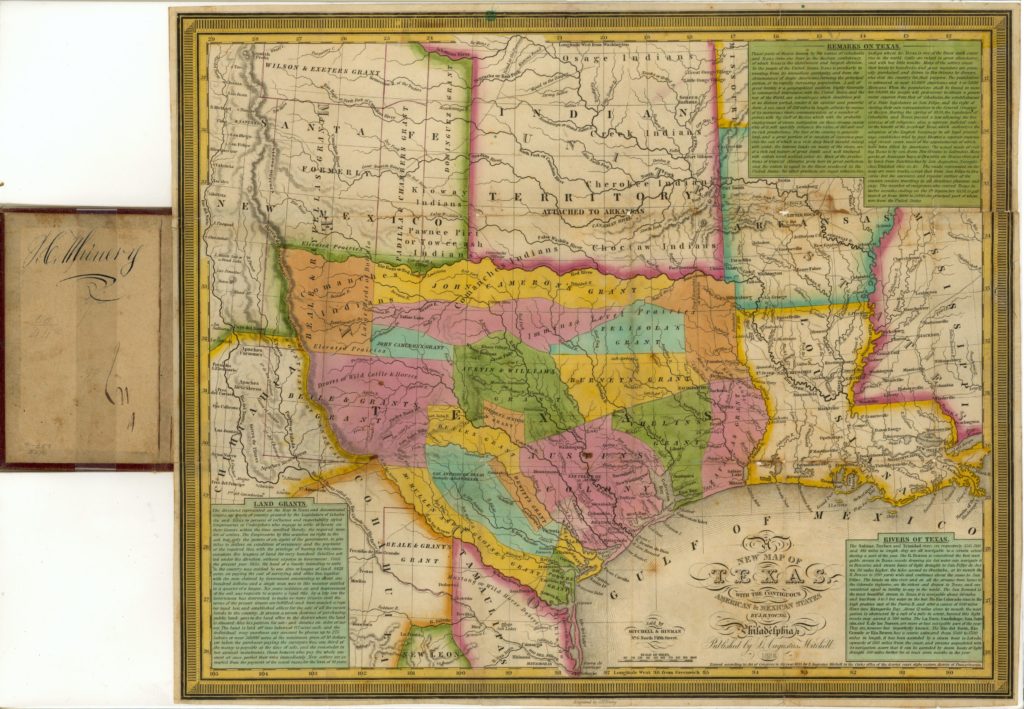
Washington had become a major supply point by 1835 because of its location on the river and to major roads. Because of this, merchants and tradesmen from neighboring communities settled in the new town. Washington’s location was ideal because it was elevated on bluffs above the river with a plentiful water supply from nearby springs. Read more
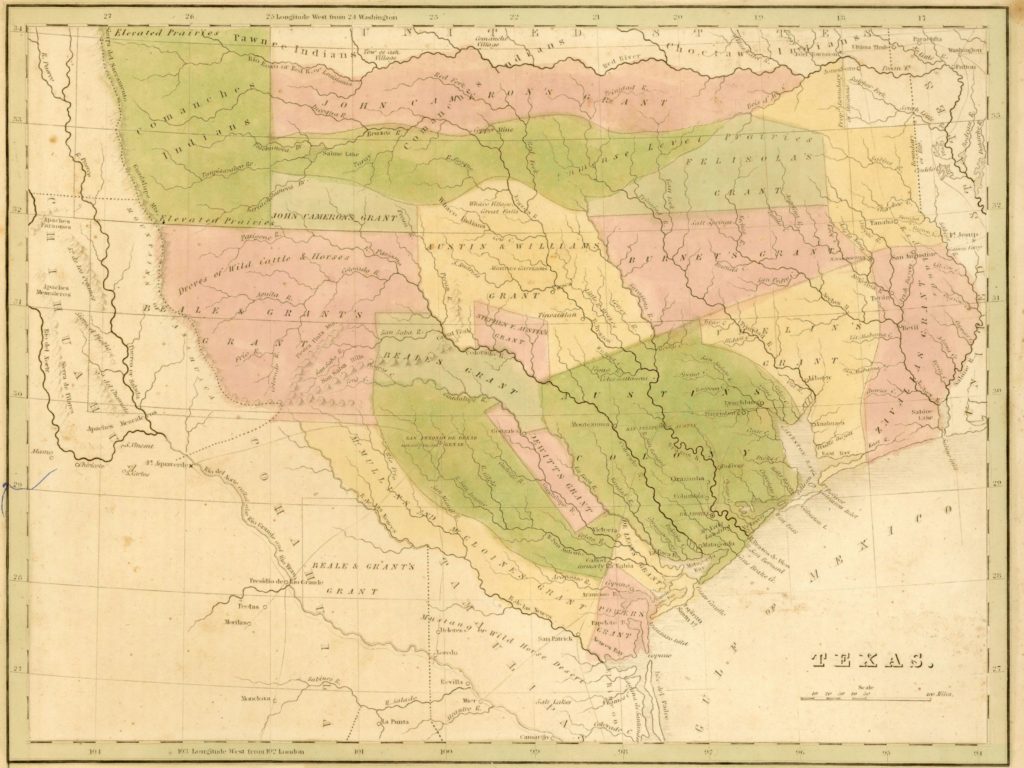
In 1821, Andrew Robinson’s family and other members of the Old Three Hundred settled near what would be called the town of Washington. The next year Robinson was operating a ferry at the La Bahia crossing and a settlement named La Bahia developed at the busy ferry crossing. The Handbook of Texas says, “In 1831 Read more
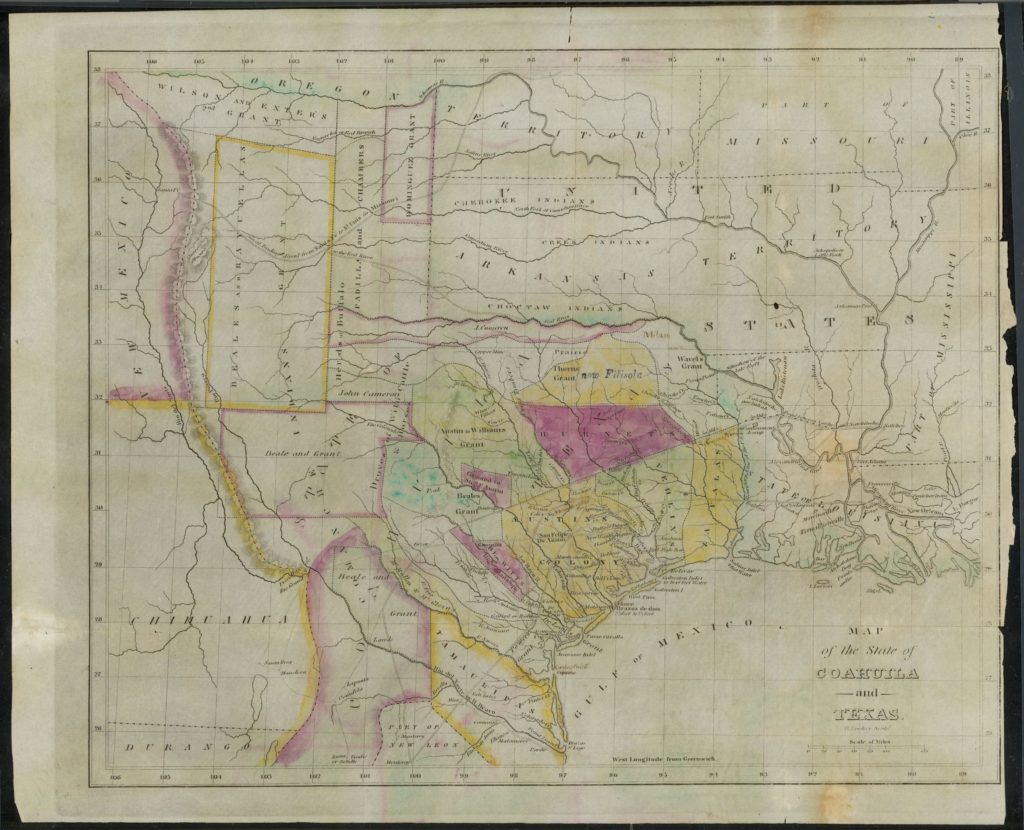
Although the Brazos was well known to Spanish explorers and missionaries who described the Indians along its banks, the first permanent settlements on the river were made by Anglo-Americans.In 1821, Stephen F. Austin obtained permission from Spanish Governor of Texas and Coahuila to explore the country on the Brazos River. He concluded the land was Read more
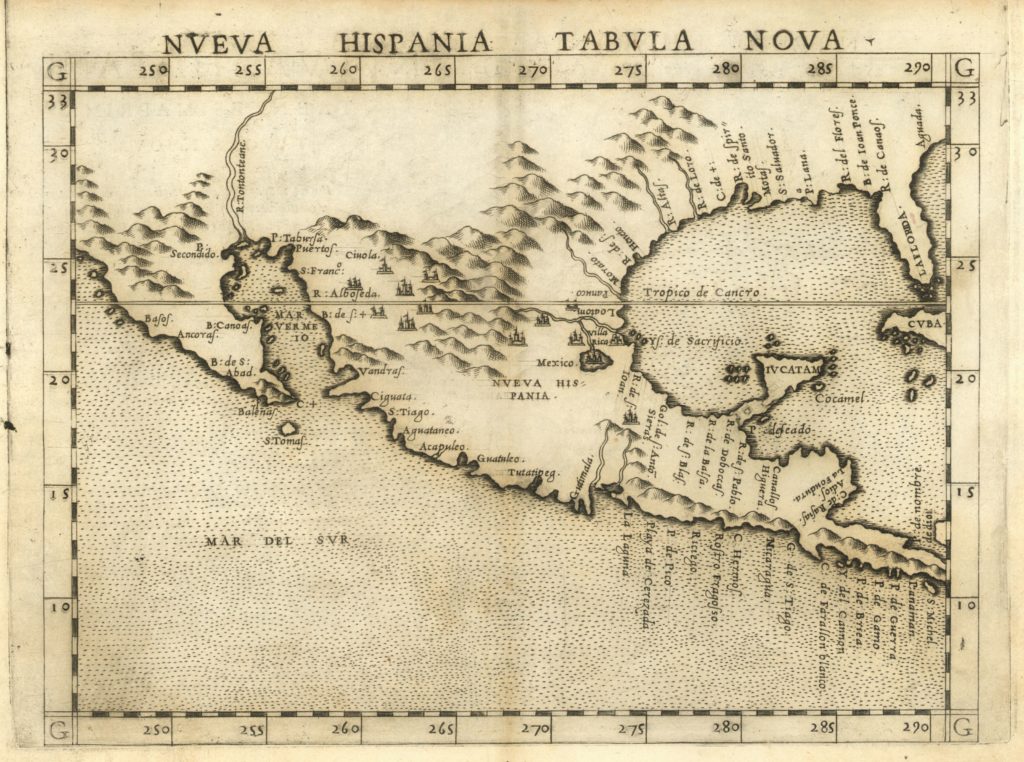
The full name of the Brazos River is Los Brazos de Dios, “the arms of God,” as named by the Spanish explorers when they first came over. How and who exactly named it this is still a mystery but there are several popular legends surrounding the naming. The first is the exploration by Francisco Vasquez Read more
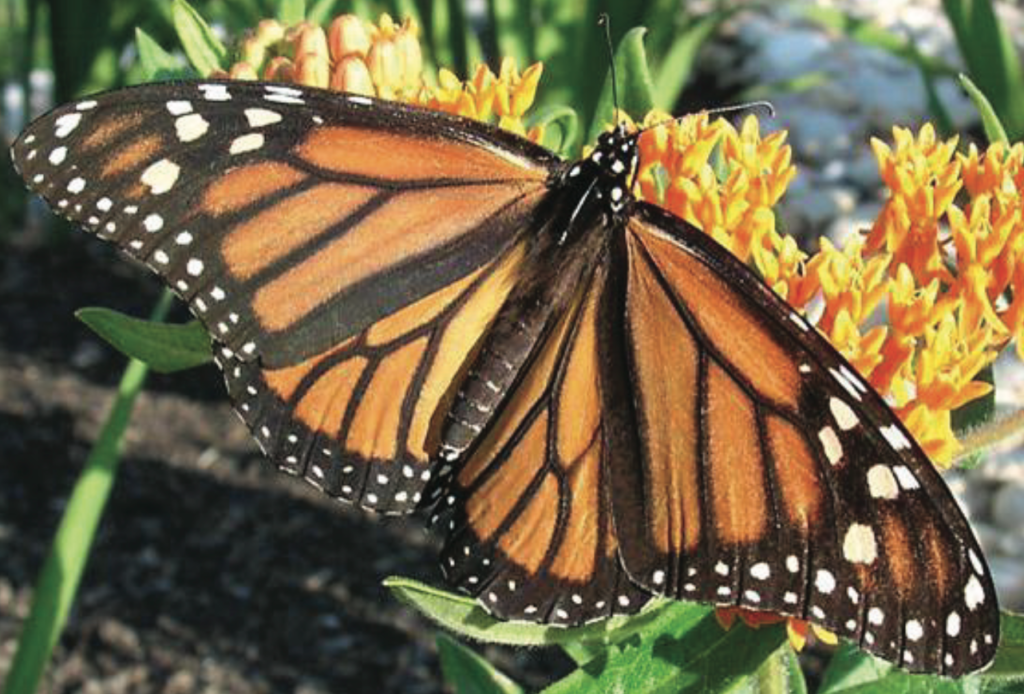
The Monarch Butterfly was adopted as the Texas state insect on June 16, 1995. Monarch butterflies pass through Texas twice a year during their migrations north and south. The butterflies hibernate in the mountains of Mexico until early spring when they awaken and head north to Canada. On the way though, they stop in Texas Read more
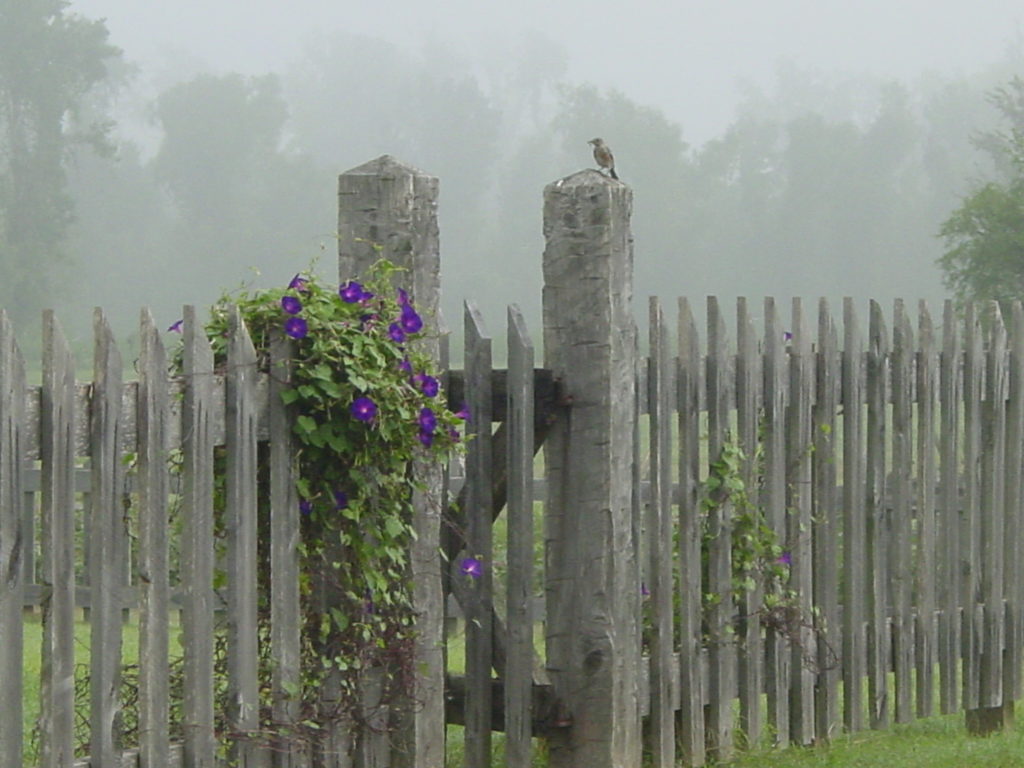
The Northern Mockingbird was adopted as the Texas state bird in 1927. The Mockingbird can sing up to 200 songs including the songs of other birds and sounds from insects and amphibians. It is also very protective of its home, often swooping down at things getting too close to its nest. The Texas State legislature Read more

The guitar was adopted as the Texas state musical instrument on June 19, 1997. It is said the guitar originated from Spain although the looks and string configuration would have been different from today’s modern versions. The legislature believes, “the adoption of a symbol touting the Lone Star State’s contributions to the world of music Read more
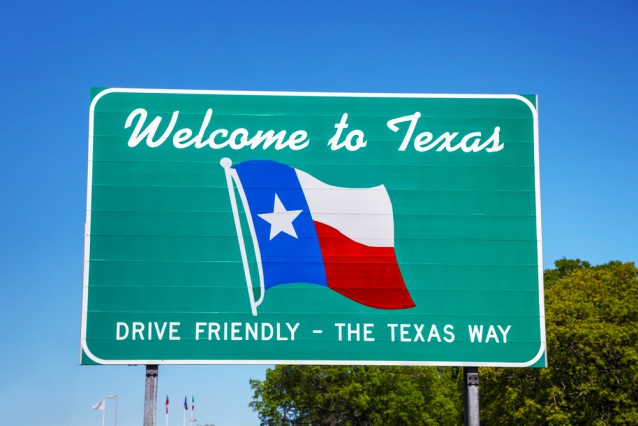
Friendship was adopted as the Texas state motto in February 1930. The motto was most likely chosen because the name of Texas or Tejas was the Spanish pronunciation of the local Indian tribe’s word teyshas or thecas meaning friends or allies. Many believe “Remember the Alamo” is the Texas state motto. This is no longer Read more
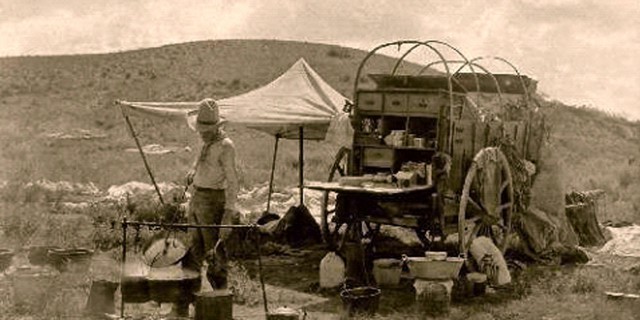
The Chuck Wagon was adopted as the Texas state vehicle on May 27, 2005. The chuck wagon gained its importance in the cattle drives that took place after the Civil War to the mid-1800s. According to the legislature, “In 1866, Texas rancher and Civil War veteran Charles Goodnight first used an army surplus Studebaker wagon Read more
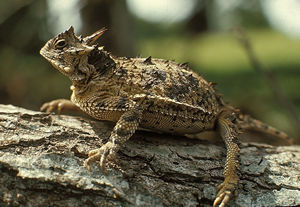
The Texas Horned Lizard was adopted as the Texas state reptile on June 18, 1993. The Texas Horned Lizard is also referred to as the horned toad, horny toad and horned frog and with a lineage that can be traced back to the dinosaurs. It was put on the threatened species list in 1967 and Read more